.png)








Hiring in Sales & Marketing: Guide and Trends in 2026
Candidates face increased competition as companies battle cost concerns
Costs were at the forefront of businesses’ worries in 2025. A decline in consumer spending trickled down to both the B2C and B2B sectors, prompting companies to tighten their belts and adapt the way they hire and manage their workforces.
Fewer senior leadership roles are now based in Singapore, as companies have moved regional hubs and jobs to lower-cost markets like Thailand and Malaysia. Across industries, organisational structures flattened over the past year.
“A significant number of junior- and senior-level roles were made redundant. Middle management roles were secure, but these professionals are now expected to cover both operational and strategic tasks that were previously handled by colleagues in other levels,” reflects Allie Teh, Manager at Robert Walters Singapore.
As job scopes broaden, professionals with generalist backgrounds have become increasingly valued for their versatility and ability to take on multiple functions, in contrast to specialists. Meanwhile, hiring for marketing roles in B2B companies slowed, with budgets redirected toward revenue-generating positions that help businesses achieve their business targets.
Read on to find out more about the labour market and hiring trends for Singapore’s Sales & Marketing professionals in 2026.
Employers expect more as headcounts shrink
Tight costs and smaller wallets will continue to influence hiring in 2026. Employers are likely to seek mid-level talent capable of taking on responsibilities traditionally reserved for senior professionals. This approach allows companies to retain skilled employees at lower costs while offering candidates opportunities to expand their portfolios.
With leaner headcounts, each team member will be expected to contribute more by taking on hybrid roles or additional responsibilities. Industry professionals will face heightened competition in the labour market. With limited headcounts and the growing trend of regional roles being placed more flexibly across Asia Pacific, candidates now compete not only locally but also with international talent.
Top roles and skills in demand
Revenue-focused positions such as Sales Director, Business Development Head, and Head of Growth will see the strongest demand in 2026. Employers will prioritise soft skills like leadership, adaptability, and collaboration—qualities essential for managing expanded portfolios and working across functions.
These skills are especially pertinent given the growing adoption of AI and automation. To cut costs and increase productivity, companies now allocate more content creation tasks to AI. Content writers and junior designers will need to accept broader job scopes to stay relevant in the hiring market.
Advice for talent attraction and retention
Company stability now has an outsized influence on candidates’ willingness to explore new roles. While displaced workers may be flexible about job scope and salary expectations, those secure in their roles require strong pull factors - such as higher fixed base pay - to consider a move.
“That said, willingness to explore does not equate to commitment to a new role,” reveals Allie.
Companies must also have a robust training and development structure in place as candidates now care deeply about growth and maintaining long-term market relevance.
A strong employer brand is crucial for talent attraction and retention in today’s market. Companies are also advised to provide flexible work arrangements, which are a key consideration for nearly all candidates.
Professionals who are actively interviewing tend to explore multiple opportunities at the same time. Lengthy hiring processes often cause companies to lose out on their preferred candidates, who accept another offer in the middle of the process. To prevent this, hiring teams can work with recruitment experts to gauge candidates’ interest levels and manage their expectations.
Bigger focus on other benefits
Given tight profit margins and macroeconomic volatility, employers are less likely to offer large salary increments. Salary growth is expected to be modest in sectors like B2C, especially for marketing roles, as there is a steady supply of talent.
Instead, employers will lean on bonuses, incentive pay, stock options and non-monetary benefits like flexible work and upskilling allowances to appeal to candidates. There will be a strong emphasis on merit-based differentiation, with higher performers receiving bigger rewards.
Niche and talent-scarce sectors – such as healthcare, life sciences and diagnostics – are potential exceptions to these trends. Higher salary increments may be available for in-demand candidates.
Find out more
Request access to our 2026 Salary Survey to benchmark salaries and to find out more about key hiring trends in the Sales & Marketing industry in Singapore.
Connect with me today

Allie Teh
Executive Search, Sales & Marketing Singapore
Allie has 9 years of recruitment experience, and is currently heading up the Sales and Marketing division for permanent hires.
Related content
View All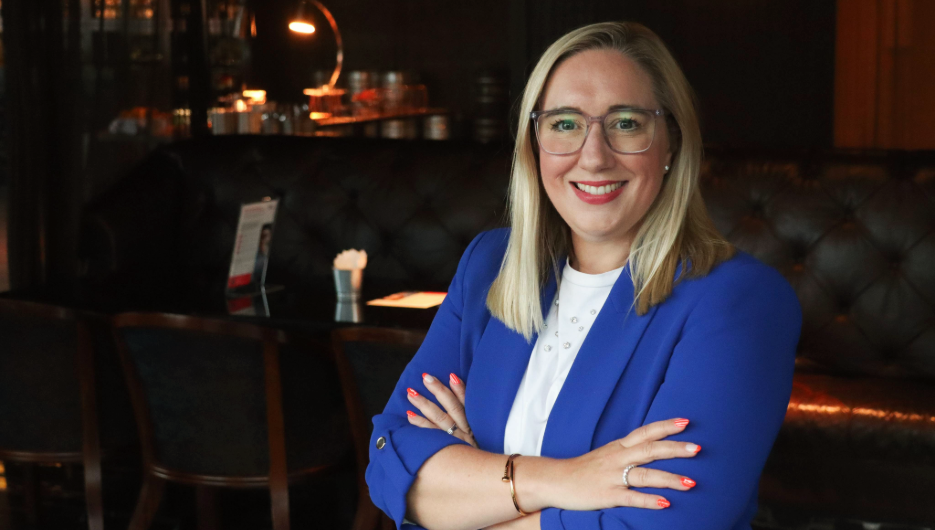
Singapore businesses double down on skills, flexible teams amidst high costs In 2025, businesses across all industries in Singapore felt the pinch as they worked within tighter budgets to build skilled, flexible teams. Higher living expenses increased employee expectations around compensation, benef
Read More
Demand ticks up for contract talent Singapore’s businesses are set to end the year with smaller Sales & Marketing teams, as US tariffs and AI adoption rattled the hiring market in 2025. According to Aishah Jamall, Senior Consultant at Robert Walters Singapore, businesses were more cautious when hiri
Read MoreHiring demand likely to remain muted in 2025, except in specific sectors In light of economic headwinds, hiring demand for Sales & Marketing professionals was largely subdued in 2024. “Besides inflation and rising rents and salaries, China’s economic woes have affected the Asian region, with Singapo
Read More